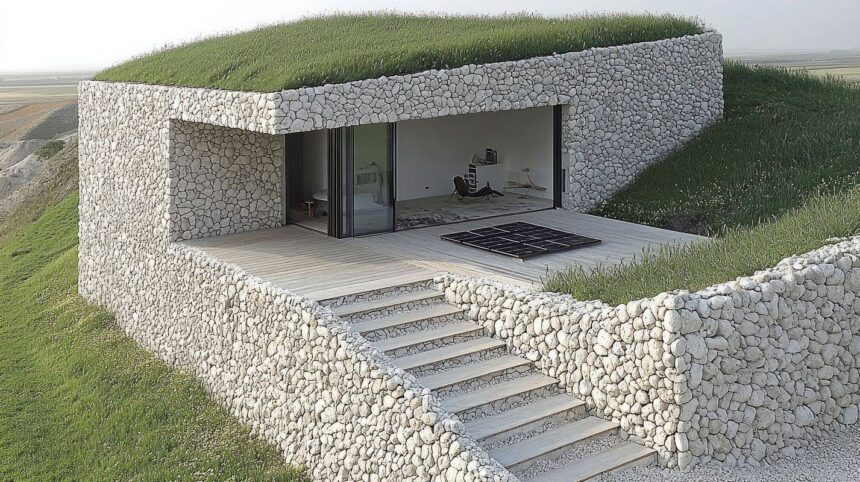

Modern architecture is increasingly embracing natural materials to create more aesthetic, sustainable, and timeless designs. Materials such as natural stone, wood, and surfaces like travertine from Turkey provide both visual richness and long-lasting durability in architectural projects. These materials help architects design spaces that are not only visually appealing but also environmentally harmonious and structurally resilient.
Modern architecture has attracted attention in recent years not only due to changes in aesthetic understanding but also because of the transformation of building materials used in construction. While industrial materials such as concrete, steel, and glass were once considered the core components of modern architecture, today’s design approach has evolved toward a more balanced and nature-compatible perspective.
With this transformation, natural materials have started to regain a strong presence in architectural projects.
Natural materials do not only contribute aesthetically to visual design but also help spaces appear warmer, more natural, and full of character. For this reason, architects and interior designers increasingly benefit from the visual richness and timeless design advantages that natural textures provide in modern projects.
Materials such as stone, wood, and natural surfaces create a strong design language when combined with the minimal lines of modern architecture. Especially in international projects, natural stones such as travertine from Turkey offer significant advantages in architectural designs in terms of both aesthetics and durability.
In this article, we will examine in detail why natural materials are increasingly preferred in modern architectural projects, their impact on design, and the advantages they bring to architectural applications.
The Changing Material Perspective in Modern Architectural Design
Architectural design has always been directly shaped by the materials used throughout history. The architectural character of each era is closely connected to the structural materials commonly used during that period.
In the early stages of modern architecture, industrial materials came to the forefront, contributing to the development of a more functional, geometric, and minimalist design approach.
However, today’s architectural perspective is no longer limited to functionality and minimalism alone. Designers now also consider the emotional impact that spaces create on their users. At this point, natural materials have become an important element that helps spaces appear warmer and more livable.
The use of natural surfaces in modern architectural projects allows buildings to appear more harmonious with their surrounding environment. Especially in residential projects and boutique architectural applications, the use of natural materials helps structures establish a more organic relationship with their surroundings.
Advantages of Natural Materials in Architectural Projects
There are many reasons why natural materials are increasingly preferred in architectural projects.
First of all, these materials offer a strong aesthetic character. Each material formed in nature has unique color, texture, and pattern characteristics. This allows architects and designers to create distinctive surfaces in architectural designs.
Another important advantage is durability. Materials such as natural stone are formed through long geological processes, giving them extremely strong structural properties. This characteristic provides a major advantage, especially in exterior applications and areas with heavy usage.
Natural materials also offer a timeless aesthetic. Unlike rapidly changing design trends, natural surfaces can maintain their value and visual appeal for many years. For this reason, the use of natural materials in architecture is considered an important part of long-term design strategies.
The Role of Natural Stone in Modern Architecture
Natural stone is one of the oldest building materials in architectural history, yet it continues to maintain a strong presence in modern architecture.
Today, many architects combine the aesthetic and technical advantages of natural stone with modern design principles to create impressive projects.
In modern architectural projects, natural stone is often used in large surface applications. This approach preserves surface integrity while giving the design a cleaner and more powerful appearance. Facades created with large stone slabs align perfectly with the minimal lines that characterize modern architecture.
In addition, natural stone can easily be combined with different materials. When used together with modern building materials such as glass, metal, and wood, it creates a balanced contrast in the design. This makes it possible to create both a natural and contemporary atmosphere in architectural projects.
The Balance Between Aesthetics and Durability in Design
In architectural design, material selection is not determined solely by aesthetic considerations. The technical properties, durability, and lifespan of the materials used are just as important as their visual impact.
At this point, natural materials stand out as options that successfully establish a balance between aesthetics and functionality.
Natural stone surfaces, in particular, create a strong visual impact while maintaining their form for many years. This also contributes to reducing maintenance costs in architectural projects.
Durability becomes especially important in exterior applications. Environmental factors such as sunlight, rain, wind, and temperature fluctuations create serious stress on building materials. Durable materials such as natural stone offer high resistance against these conditions.
The Use of Natural Materials in Interior Design
The use of natural materials in interior design has increased significantly in recent years. With the growing popularity of minimalist design concepts, natural surfaces have become a strong aesthetic element in interior spaces.
Natural stone surfaces are frequently preferred in areas such as living rooms, kitchens, and bathrooms. Countertops, wall claddings, and decorative applications are among the most common uses of natural materials in interior design.
Natural surfaces not only provide aesthetic value but also significantly influence the atmosphere of a space. Materials such as stone and wood help create warmer and more inviting interiors.
The Impact of Natural Surfaces on Exterior Facade Design
A building’s exterior facade is one of the areas where architectural identity is most strongly expressed. Therefore, the selection of materials used in facade design is extremely important.
Natural stone facade claddings give buildings a strong and prestigious appearance. Especially in residential and commercial projects, natural stone surfaces are considered an important element that enhances architectural quality.
Natural stone facade applications also offer high resistance to environmental conditions. Their long lifespan and low maintenance requirements are among the main reasons why natural stone is preferred in exterior applications.
Sustainable Architecture and Natural Materials
The concept of sustainable architecture has gained increasing importance in the architectural world. Reducing environmental impact and using natural resources more efficiently have become key goals of modern architectural projects.
Natural materials provide significant advantages in terms of sustainable architecture. When used properly, materials obtained directly from nature can offer long-lasting and environmentally friendly building solutions.
In addition, the production processes of natural materials often require less energy compared to many industrial construction materials. This contributes to a lower carbon footprint.
The Importance of Choosing the Right Materials in Modern Projects
Every architectural project has different requirements and usage scenarios. For this reason, material selection should consider not only aesthetic factors but also technical characteristics.
Materials used in flooring applications must be resistant to abrasion, while exterior facade materials should have suitable water absorption rates and frost resistance properties. In natural stone selection, quality and origin become important factors. At this point, stones such as travertine from Turkey, frequently preferred in international projects, offer a strong alternative in architectural applications due to their durability and aesthetic qualities.
Choosing the right materials ensures that architectural projects are successful both aesthetically and technically. Therefore, architects and designers carefully evaluate material options during the project process.
The Future of Natural Materials in Architectural Design
Interest in natural materials in architecture is expected to increase even further in the coming years. The growing emphasis on sustainable architectural practices is paving the way for more extensive use of natural surfaces in architectural projects.
Natural materials are no longer just an aesthetic preference but have become an important part of environmentally responsible building solutions. The increasing importance of concepts such as naturalness, simplicity, and sustainability in modern architecture is one of the strongest indicators of this transformation.
As a result, natural materials continue to exist as a strong option in modern architecture both aesthetically and technically. Stone, wood, and other natural surfaces add character to architectural projects while also contributing to the creation of long-lasting and sustainable structures.
Reliable Solutions in Natural Stone Supply
The quality and proper selection of natural stones used in architectural projects play a critical role in the success of the design. Working with reliable manufacturers and suppliers is therefore essential for the long-term performance of architectural projects.
Companies serving international projects in the natural stone sector offer architects and designers a wide range of products to meet different design needs. With the right surface selection, appropriate cutting techniques, and high-quality production processes, natural stone applications can deliver much more impressive results in architectural projects.
One of the companies operating in this field is Cem Marble, which provides various natural stone options for architectural projects. Offering different natural stone products, particularly travertine, Cem Marble stands out as a supplier frequently preferred during architectural design processes.